

For a good part of the past millennium, the biggest city in England – outside London – wasn’t Manchester or Birmingham, but Norwich. Look at any map of England up to Tudor times, and you’ll see a sprinkling of major towns in East Anglia, with Norwich at the centre.
So it’s perhaps not surprising, with such history, that Norwich, ‘The City of Stories’, is just waiting for you to explore it – and it’s a destination that makes a tempting weekend getaway in a campervan.
Where to stay for a weekend in Norwich
Norwich C&CC Site is a beautiful riverside site at Lakenham, to the south of the city, close to the ring road. It’s a site with good public transport, with an easy bus service into the centre. You can camp under glorious trees. Just be mindful of the low bridge you might encounter on the way there.
Alternatively, you could consider pitching up at Two Mills Touring Park, a campsite which features in our Top 100 Sites Guide 2025 where the UK’s best motorhome sites are revealed, as voted for by our readers.
It’s not actually in Norwich, but is close to the pretty market town of North Walsham and just a short drive from the city, this is an immaculately well kept, peaceful and welcoming adults-only motorhome site.
What to do in Norwich on Day 1
10am – Make an entrance
If you are coming into the city centre by bus from the C&CC campsite or one of the park and ride car parks, you’ll arrive at a stop on St Stephen’s Street. It has to be said, this is not the most attractive part of the city – a stark reminder of how badly it was bombed during World War II.
Still, this is the street where Elizabeth I entered Norwich on her first visit in 1578, through what was then St Stephen’s Gate, and is now a busy roundabout.
11am – Capture the castle
Norwich is fairly flat, so one building that you can easily see from pretty much anywhere is the Norman Castle.
It was commissioned by William the Conqueror just a year after the Battle of Hastings – that’s how important the city was at the time.
Now nearing the end of an ambitious renovation project, the Castle Keep is due to reopen later this spring. Even so, the museum attached to it is worth a visit if you’re a fan of the best UK museums. Its galleries explore the landscapes you can see in Norfolk, plenty of curiosities – including what is said to be the world’s largest collection of teapots – and works by artists from the 19th-century Norwich School of Painting. This was the earliest regional painting school in England.
Its members, who included John Crome and John Sell Cotman, took inspiration from Suffolk’s Thomas Gainsborough, and focused on local landscapes.
1pm – Great lives
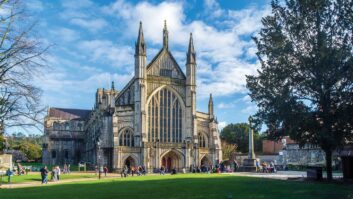
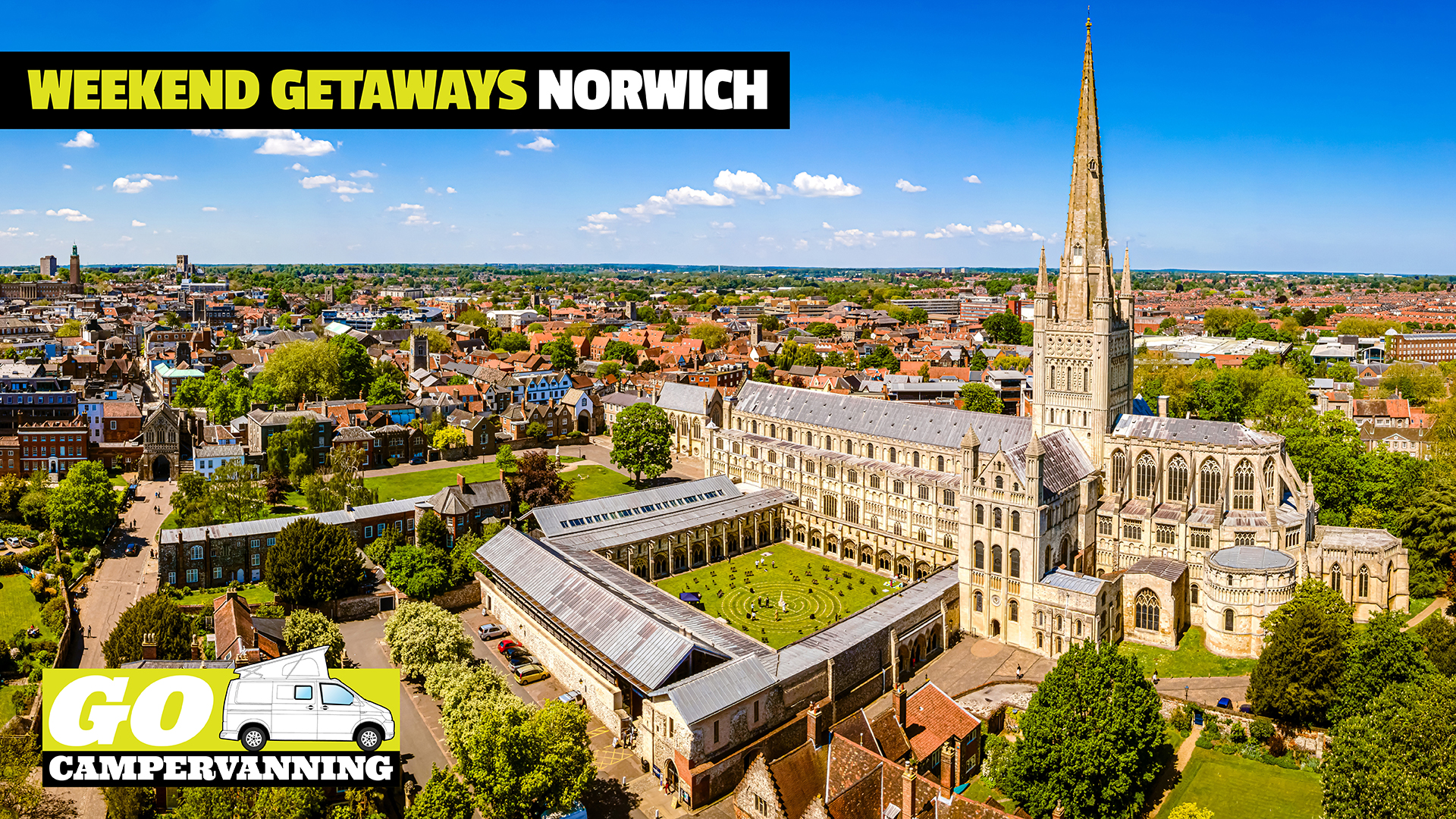
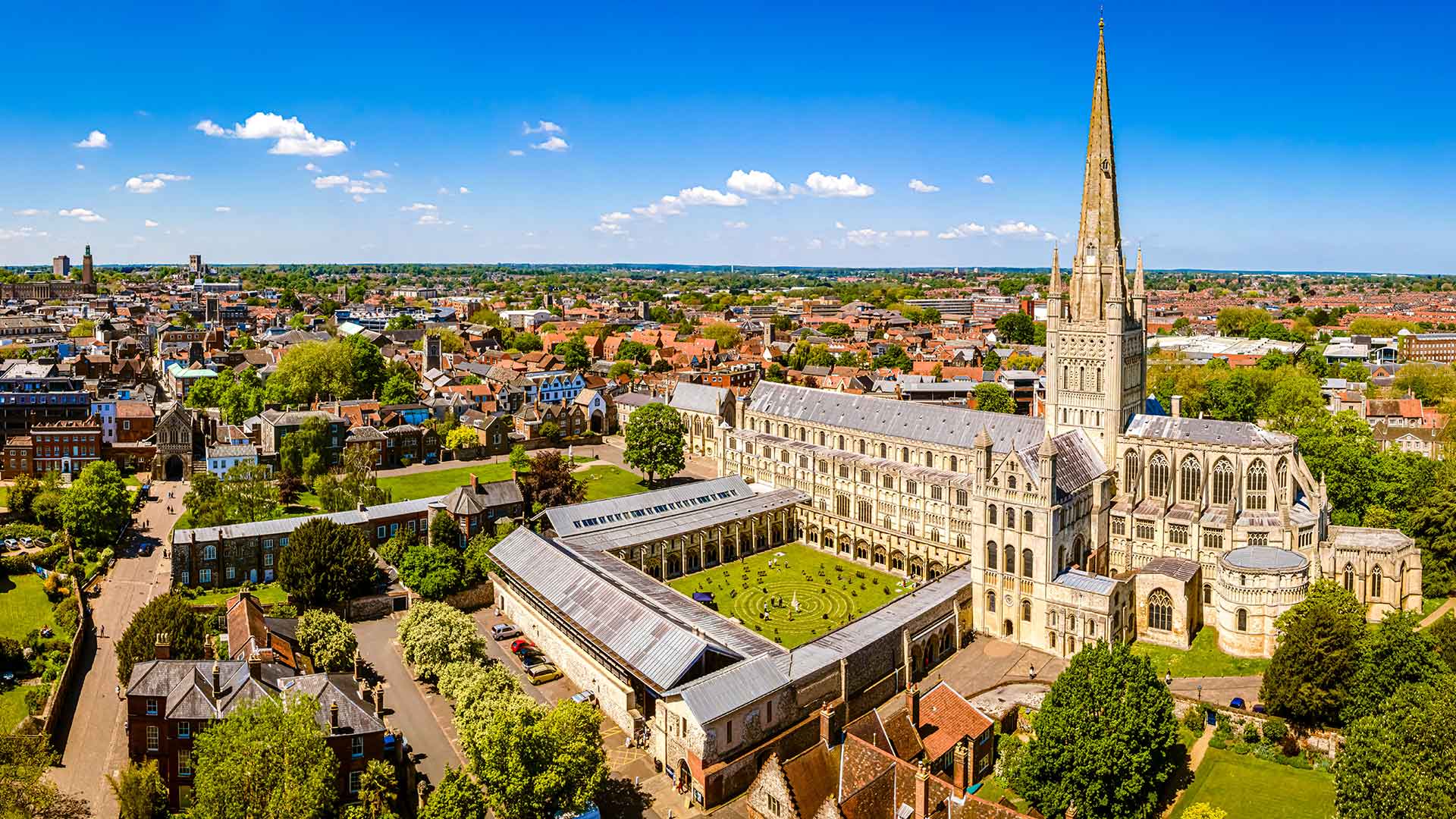
Just on the other side of the castle mound, by the rather spookily named Tombland street, is Norwich Cathedral, founded by the city’s first bishop, Herbert de Losinga, in 1096. Before you explore the great building, you might want to pause for a picnic lunch in the charming Cathedral Close.
The cathedral itself is dominated by two contrasting personalities. The first is William of Norwich, a local lad murdered in 1144 and commemorated in the Chapel of the Holy Innocents. His murder was unexplained, but blamed on local Jews, triggering the first recorded instance of the notorious ‘blood libel’.
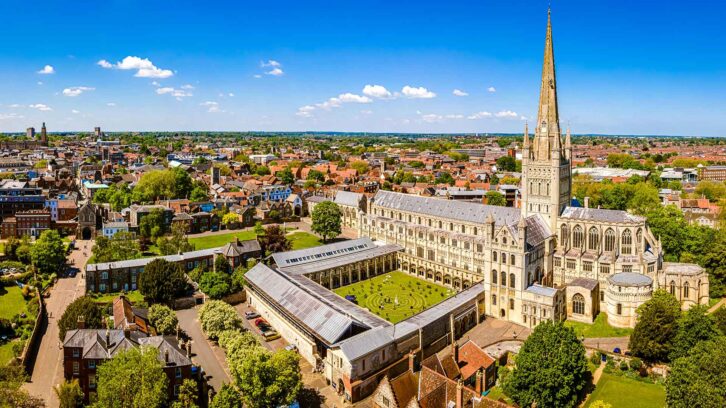
By contrast, the other person honoured here is Edith Cavell, a Norfolk-born nurse who worked in occupied Belgium during World War I and was shot by the Germans for helping wounded Allied soldiers escape. Her most famous quote, allegedly made the night before her execution, was: “Patriotism is not enough: I must have no hatred or bitterness for anyone.” After the war, her body was brought back to Britain with great ceremony, and now lies in a grave outside the cathedral.
While you are in the cathedral, don’t miss the Despenser Reredos, the only surviving medieval English altarpiece, in St Luke’s Chapel. Created in 1380, it was so neglected during the fiercely Puritan years after the Civil War that for a while, it was turned over and used as a table.
3pm – Local history
Between the historic cathedral and the pretty River Wensum, there is a collection of attractive old lanes, including Elm Hill – despite the name, this is not much of a hill, but it is one of the best preserved medieval streets in England.
Keep walking west from here and you will soon get to Strangers’ Hall, a Grade I listed former merchant’s house that is now also home to a fascinating museum of local domestic history.
5pm – Gardens galore
After all that history, you might be in need of somewhere just to relax. If so, keep heading west, crossing busy Grapes Hill by the accessible footbridge.
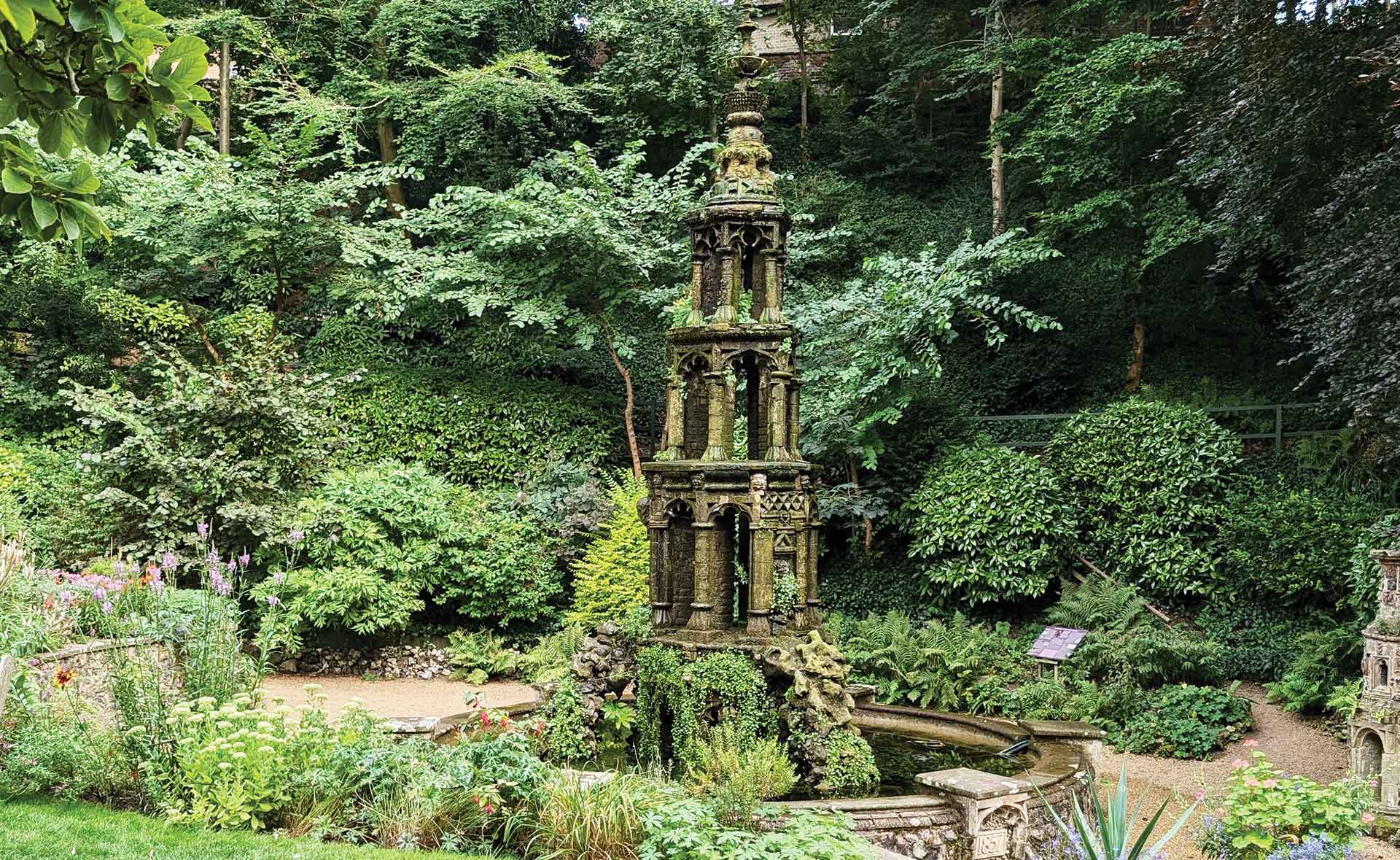
Hidden away next to the Cathedral of St John the Baptist, you will find the intriguing sunken oasis that is The Plantation Garden.

Established in 1857 on the site of a former quarry by local furniture-maker and keen horticulturalist Henry Trevor, the garden fell into complete neglect until a group of dedicated volunteers took over running it in 1980, returning it to its Victorian glory.
This is a perfect place to while away an early summer evening – as are the Chapelfield Gardens, which you’ll see on your way back to the bus stop.
What to do on Day 2
10am – Retail therapy
Start your day with some great shopping – Norwich has a fantastic collection of independent retailers, mostly in the area known as The Lanes, to the west of the castle and north of the Guildhall.
The shops are not all small concerns, however – Jarrolds, on the corner of London Street and Exchange Street, is a classic department store that opened in 1823 and is still going strong today.
1pm – In the market
There are plenty of great places to have lunch in The Lanes, but no visit to Norwich would really be complete without experiencing the colourful street market, with its candy-striped awnings. And the bonus is that this is a proper market, not just a tourist trap, where you could easily find a bite to eat, too.
2pm – Shopping in style
The Jarrolds building was designed by George Skipper, a local architect who John Betjeman said “was to Norwich what Gaudi was to Barcelona”.
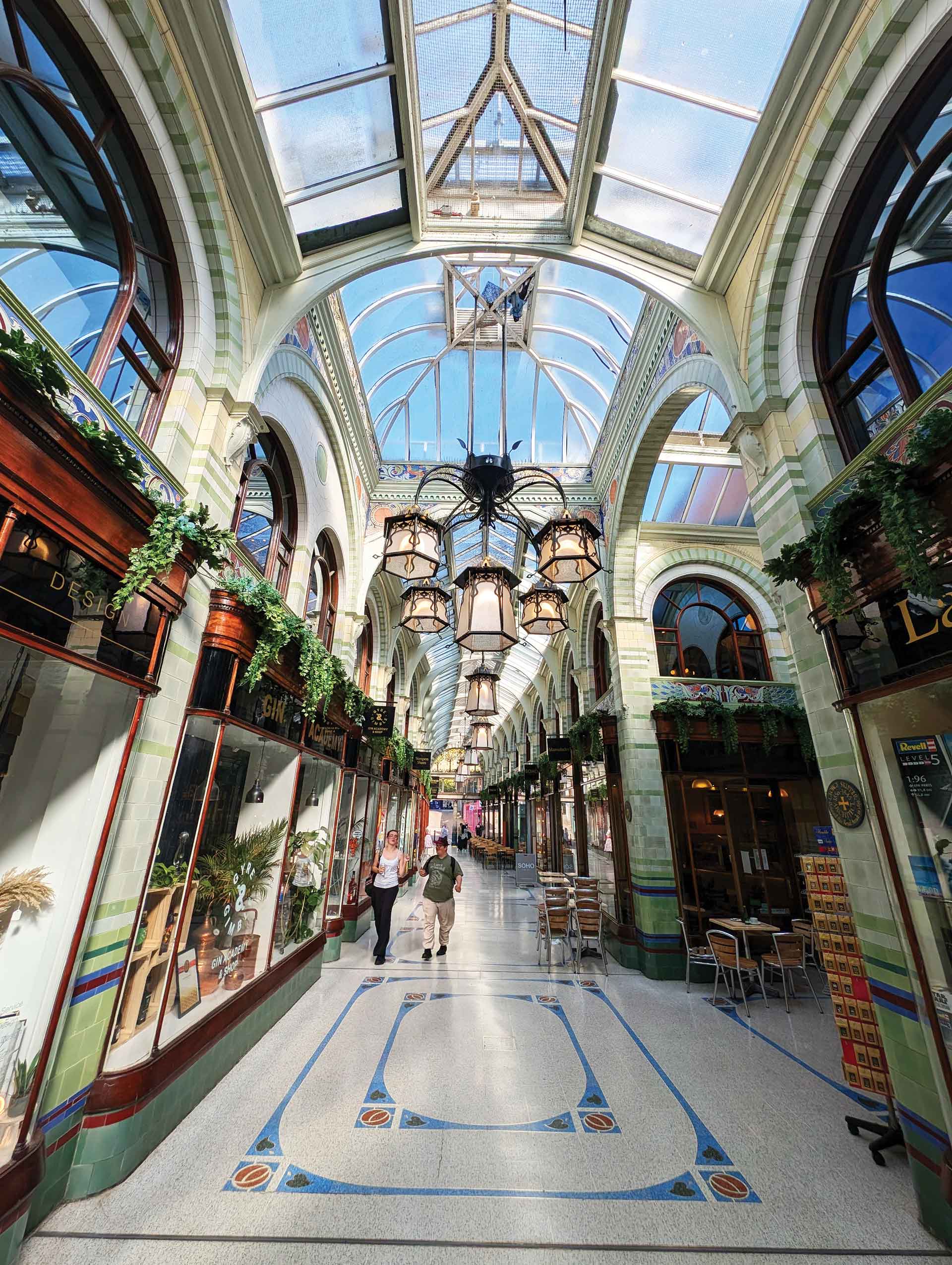
Skipper’s most famous work, which you can see at the south end of the market, is the Royal Arcade, a beautiful leftover from the Art Nouveau period with plenty more shops to explore.
4pm – To the lighthouse
A quick trip to the seaside is the perfect way to end your day. No, Norwich isn’t actually on the coast, but there are brilliant beaches a short drive away.
I heartily recommend Happisburgh (pronounced ‘Haysbruh’). If you ever get tired of the miles of sand there, you could always venture into the famous lighthouse. You can climb to the top, up 112 steps, although you will need a pretty good head for heights!
Did you know?
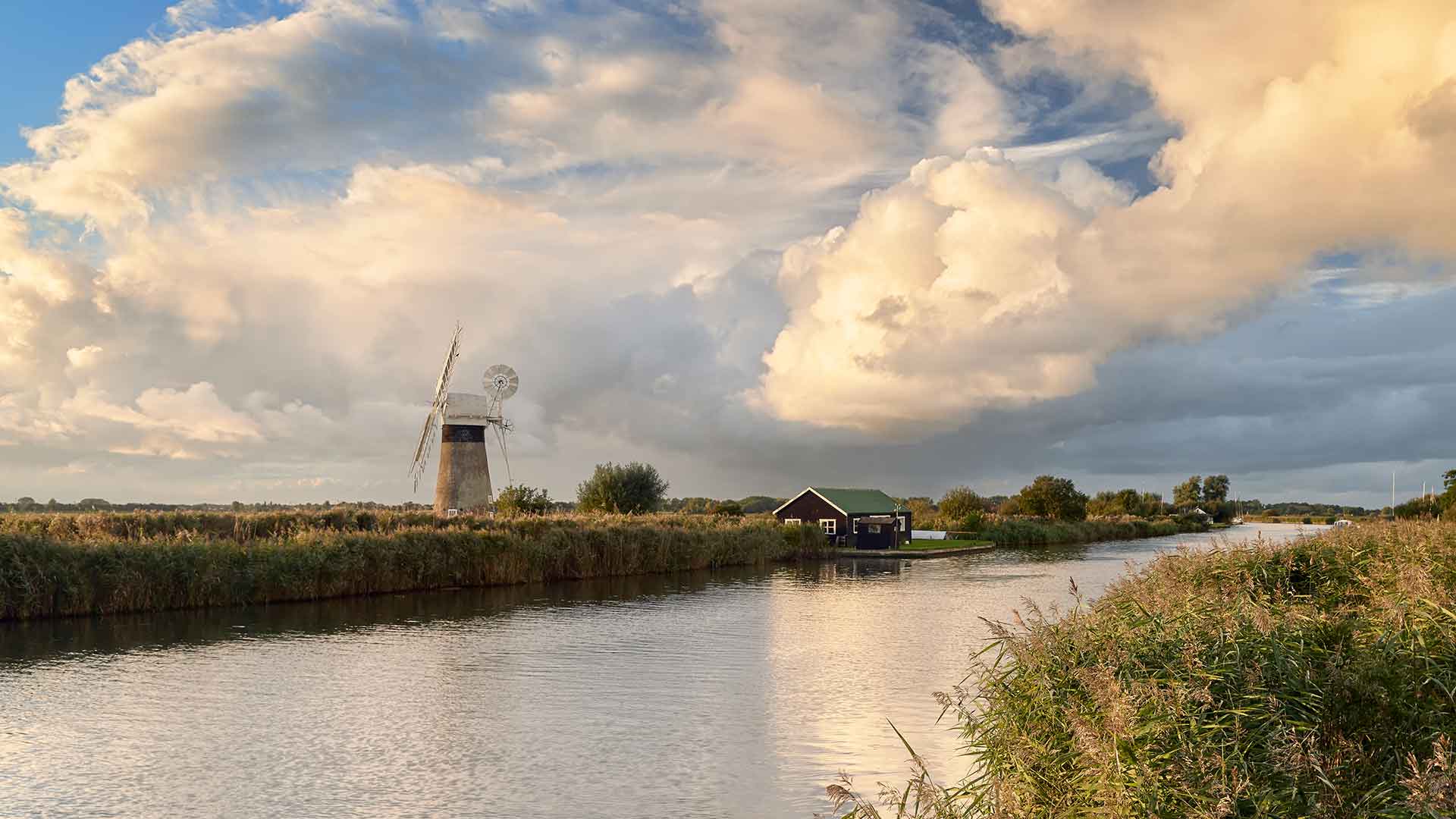
Norwich is, of course, a great stopping-off point for exploring the Norfolk Broads. This extensive area of marshland and exuberant birdlife has become one of England’s most treasured landscapes, protected now as a National Park.
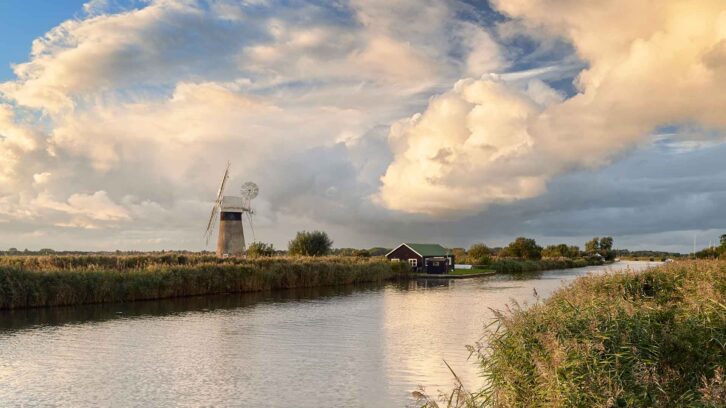
However, this is no natural landscape. Visit Norwich Castle Museum and you’ll discover that until the 1960s, the Broads were indeed thought to be a completely natural phenomenon.
But it is now thought the area only became flooded during the 13th century, when increasing demand for fuel from the growing towns of Norwich and Great Yarmouth led to excessive peat farming in the area, there being no woodland nearby for cutting down trees.
This economic pressure, combined with unnaturally high tides and a higher sea level, caused the low-lying rivers to overflow and flood the whole area.
For those who are thinking of exploring other parts of this beautiful county, check out our guide to the best motorhome sites in Norfolk.
After some more ideas for a weekend getaway? Then head to our Go Campervanning: Weekend Getaways section for more great ideas!
Lead image: Getty Images/iStockphoto
If you’ve enjoyed reading this article, why not get the latest news, reviews and features delivered direct to your door or inbox every month. Take advantage of our brilliant Practical Motorhome magazine SUBSCRIBERS’ OFFER and SIGN UP TO OUR NEWSLETTER for regular weekly updates on all things motorhome related.