
While pitching up at a larger campsite will typically provide plenty of facilities and access to electric hook-up, they are less likely to provide the stunning views you can enjoy should you opt for an off-grid tour and stay at a smaller UK campsite instead.
After all, the best campervan sites are not necessarily going to have full facilities. This is because it can be hard for the sites to get the required planning permission in these locations that they would need to build these amenities, so instead they generally offer more limited facilities. However, it’s the very limitations of such a site that can make it an appealing choice for a campervan owner. Campervanning off-grid has the additional benefit of being cheaper than a larger site with full-facilities too, so you can have a longer getaway for the same price.
Of course, it will mean you’re relying on your ‘van’s facilities – so if your vehicle doesn’t have a toilet, you’ll have to make sure you have the best portable toilet for a campervan, for instance. However, by adapting your campervanning techniques, you can go off-grid at some of Britain’s most beautiful campsites, and still maintain almost all of the comforts you’d experience on a full-facility site. If you are new to off-grid touring, here are our top tips for a smooth stay…
1. Get used to off-gridding
Start small and spend one or two nights away. This will provide you with a good opportunity to learn more of the ways of the off-gridder and sharpen up your skills in using minimal energy.
You’ll also discover how much energy and water you normally use and how that consumption can be fine-tuned for off-gridding – as well as the generating capabilities of your solar panel.
2. Buy a good leisure battery
Start by acquiring the best campervan leisure battery for off-gridding – a 110Ah battery should do the trick, or splash out on a lithium one if your wallet can handle it.
Bear in mind that while you are staying off-grid, you won’t have electric hook-up, so you will need to keep it topped up.
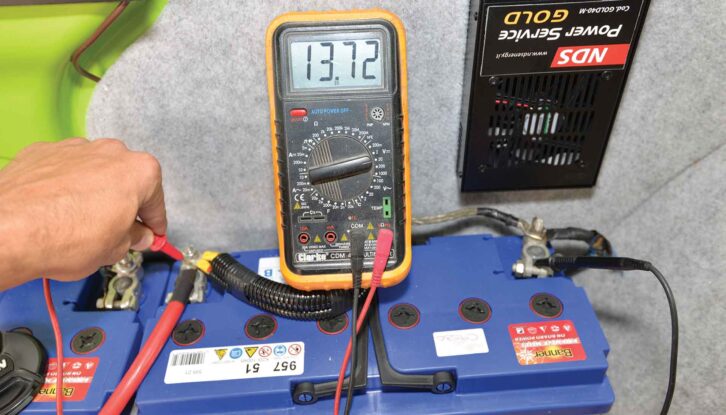
For standard leisure batteries, 12.7V is fully charged, while 12.2V means that it’s time to plug in or risk the battery equivalent of a midlife crisis.
For lithium, 13.3-13.6V is fully charged, while 13V means there’s around 20% of charge remaining. Lithium batteries can be discharged further than lead-acid ones without damaging them.
3. Consider getting two batteries
Experienced off-gridders will often take two batteries away with them. They can be run together or have a simple switching system, so you can swap the power sources when one is flat.
4. Gas will be your friend
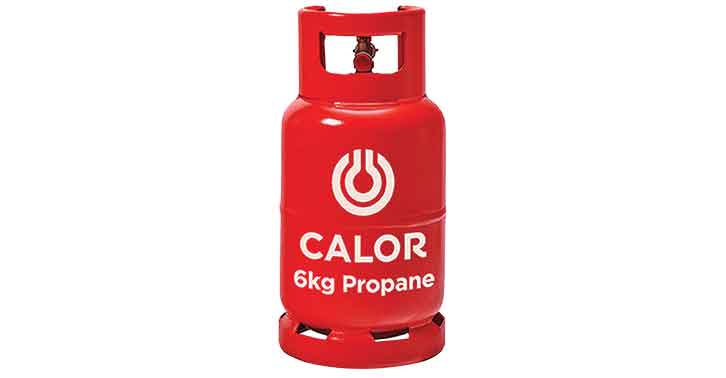
Gas is king when you’re off-gridding. You can use it for your heating and cooking, for chilling your fridge and for powering up your barbecue. Take two gas bottles if you’re a heavy user, and remember, propane works in very cold weather (below -2°C), butane doesn’t.
5. The benefits of a self-fill gas system
Heavy gas users (all off-gridders?) should consider investing in a self-fill gas system, such as Safefill or Gaslow. These allow you to fill gas bottles yourself with Autogas, on petrol station forecourts (for example, Morrisons petrol stations, among others). The cost is typically about 30% of buying prefilled bottled gas from Calor.
6. Solar panels
A key part of ensuring you have power when you’re off-grid will be a solar panel.
Photovoltaic solar panels are great for summer, and as they need light, not heat, they work on cloudy days, too – although they will create less charge. A 150-200W panel with a charge controller will trickle-charge your battery nicely.
Roof-mounted panels are fit and forget, but moveable ones give you sun-tracking bragging rights. Leave them facing east at night, to grab all of that morning sunlight.
7. Choosing a solar panel
Choose a solar panel that has IEC 61215 certification, from a dealer or manufacturer with a solid reputation, and one offering a good warranty.
You might also consider a Maximum Power Point Tracking controller, which can extract up to 20% more from a panel.
8. Prepare the fridge
Pre-chill your fridge before you leave home, and fill it with chilled goods, and some frozen meals or dog food in the freezer. This will help the fridge to stay cold, and consume less gas.
9. Watch your payload
Going off-grid means adding weight, so keep an eye on your payload if you’re also packing a solar panel, and an extra battery and gas bottle.
10. Consider 12V gadgets
Even with a solar panel, it pays to be power-savvy. Microwaves, hairdryers and other high-wattage gadgets are a no-go. Stick to essentials and you’ll soon know what you can get away with. Many devices and appliances are available in 12V format from camping stores.
11. Eating al fresco
Take along a charcoal barbecue for al fresco meals and a bit of extra heat if you’re going to be sitting outside on a summer evening. Rechargeable fans are also available – great for warm nights spent in the campervan.

12. Grey-water waste
Your grey-water waste can be used to water nearby hedges. They will appreciate it in the summer – check with the campsite owner first, though.
13. The advantages of a powerbank
Consider taking powerbanks for charging phones and other small devices. That way, you’ll always have a working phone, even if you do manage to flatten the campervan battery (take a look at our tips on how to avoid a flat motorhome battery for more on this).
14. Streaming your favourite shows
If you love off-gridding, but can’t be without telly and streaming, the latest sat dishes and mobile internet solutions work in many remote areas. Then you just need to choose how you want to watch it, whether it’s on a TV or one of the best campervan projectors.
15. Consider an extra water tank
Serious off-gridders might even fit an extra water tank. These can hold up to 40 litres. Alternatively, just take a large water canister with you and add purification tabs to avoid any unpleasant rural-source surprises.
16. Stay entertained
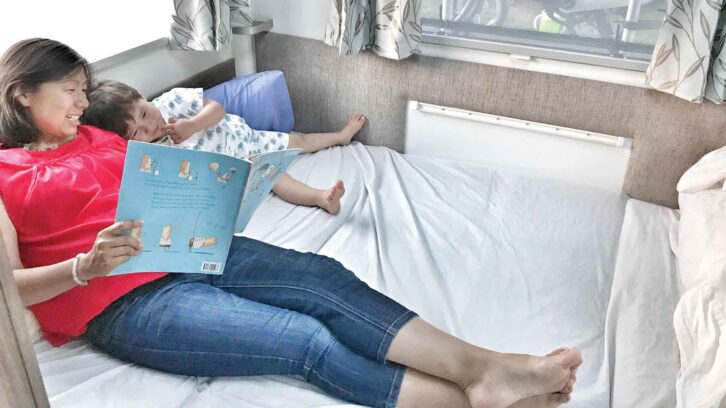
Bring some games, books and offline music to keep everyone entertained. Streaming might not be an option, so download files before you go.
17. Conserving battery power
There are lots of ways you can conserve your battery power, for example by wearing an extra jumper when you’re inside, and bed socks at night, rather than turning up the heating. Converting to LED lighting and using hand sanitiser are also sensible options.
18. Keep charged up
Watching films on a fully charged laptop is a treat. Charge it up in the daytime so it’s ready for evening use. Turn the screen brightness down a little to conserve its battery.
19. Watch out for the rain
After heavy rainfall, don’t rush away from a grass pitch – wet grass is the most slippery substance in the world, and you’re likely to get stuck. Take it slowly and if the worst happens, let the campsite owner know – don’t keep driving or you could churn up the pitch.
Something else you could do to help you have an enjoyable off-grid experience is ensure you have a good night’s sleep – take a look at Peter Baber’s tips on how to make a camper van bed more comfortable for advice on what you can do to help.
After some more inspiration about the campervan lifestyle? Then head to our Go Campervanning: Campervan Life section for more great ideas!
Lead image: Getty Images
Future Publishing Limited, the publisher of Practical Motorhome, provides the information in this article in good faith and makes no representation as to its completeness or accuracy. Individuals carrying out the instructions do so at their own risk and must exercise their independent judgement in determining the appropriateness of the advice to their circumstances. Individuals should take appropriate safety precautions and be aware of the risk of electrocution when dealing with electrical products. To the fullest extent permitted by law, neither Future nor its employees or agents shall have any liability in connection with the use of this information. Double check any warranty is not affected before proceeding.
If you’ve enjoyed reading this article, why not get the latest news, reviews and features delivered direct to your door or inbox every month. Take advantage of our brilliant Practical Motorhome magazine SUBSCRIBERS’ OFFER and SIGN UP TO OUR NEWSLETTER for regular weekly updates on all things motorhome related.